
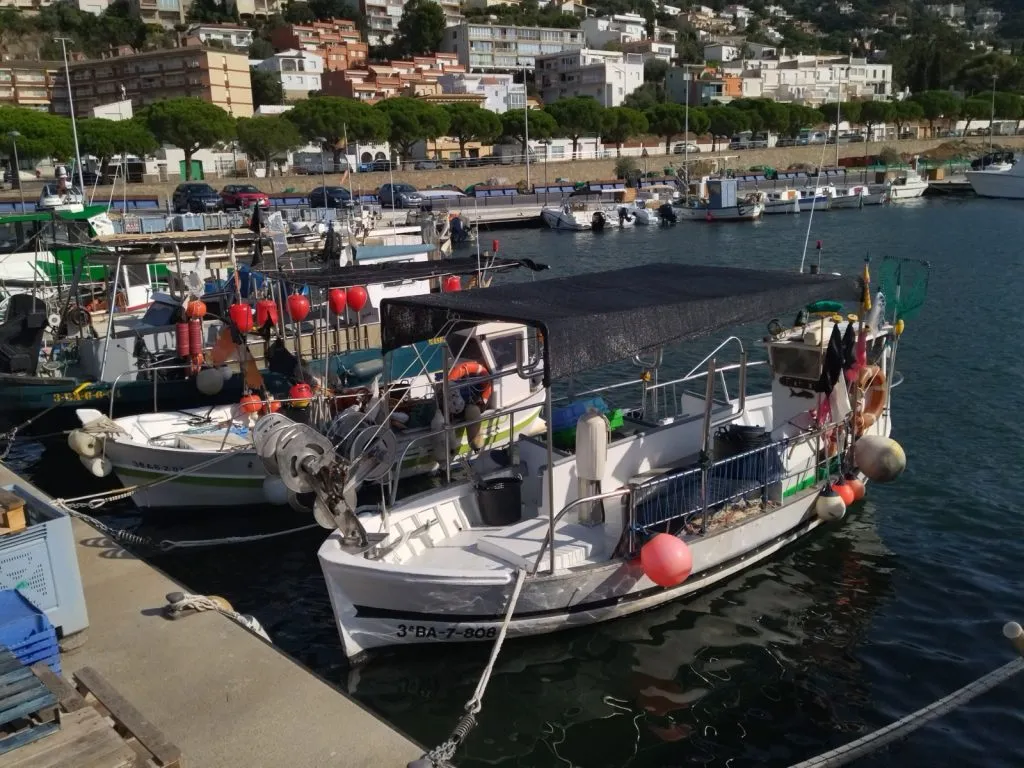
How a Warming Mediterranean is Reshaping Catalonia’s Fisheries
A long‑term scientific study has revealed how rapid warming in the Mediterranean is fundamentally transforming Catalonia’s fishing sector. Over 23 years of data from all Catalan fish auctions show a marked decline in traditional cold‑water species such as sardine, hake, and Norway lobster, while warm‑water species like white shrimp are becoming increasingly prevalent. This shift is not only ecological but also economic: changes in species composition are altering fishers’ incomes, increasing the vulnerability of highly specialized fleets, and reshaping the structure of coastal economies. The findings highlight an urgent need for adaptive management as climate change accelerates the reorganization of marine biodiversity and local fisheries..
📖 Read the full report on Europa Azul.
Content in Spanish

What Could the Western Mediterranean Look Like in 2030?
The Western Mediterranean is changing. Climate change, fishing pressure, pollution, and new ocean industries are reshaping one of the world’s most intensively used seas.
What could the future look like? Using OceanViz, scientists from the Institute of Marine Sciences (ICM-CSIC) in Barcelona, working within the MarinePlan project and the Ecopath International Initiative, visualise possible futures for the region — revealing how different management choices could influence marine life, fisheries, and ecosystem health on the road toward Europe’s 2030 ocean protection targets.
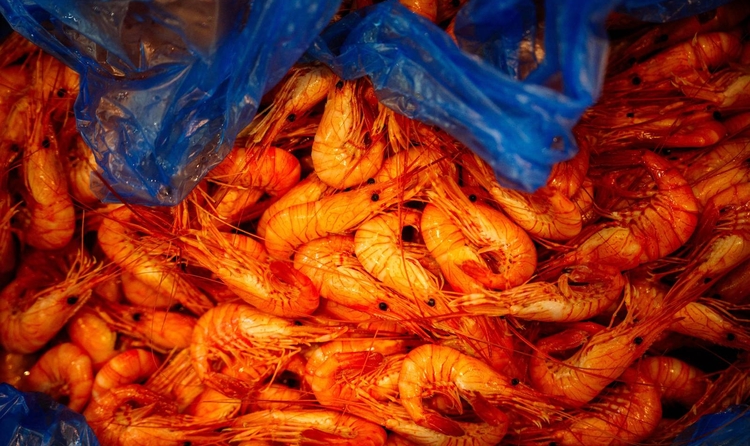
The truth about shrimp: what science really says
In this resource, we dive into the facts behind the claim that “there’s more shrimp than ever” in Catalonia. Based on verified data and scientific evidence, the article clarifies misconceptions and highlights the real trends affecting local fisheries.
This multimedia piece offers a clear and accessible explanation to support informed decision-making and public understanding.
📖 Read the full article on Verificat.
Content in Catalan

Behind the Auctions: Understanding Fish Market Dynamics in Catalonia
In this episode, we explore the key findings of the study on fish commercialization in Catalonia’s coastal markets between 2019 and 2024. Through an AI-generated voice, the podcast presents the innovative approach used to assess socioecological risk in fish auctions, integrating economic, environmental, and ecological indicators.
This audio resource offers a concise and accessible summary of the research, designed to support outreach, education, and stakeholder engagement.
🎧 Don’t miss this episode on the future of local fisheries.
Podcast in Catalan
⚠️ AI-generated: may contain minor inaccuracies.

Behind the science: the vital role of technical staff in marine research
In this episode, Claudia Aparicio, technical staff member at ICM-CSIC and part of the iMARES group led by Marta Coll, shares her experience working in trophic ecology and supporting marine research. The conversation highlights the essential contributions of technical and management personnel in scientific projects, and the recent recognition of their professional careers.
Don’t miss this episode featuring Claudia Aparicio.
Podcast in Spanish

Warming and overexploitation worsen the state of increasingly threatened oceans
Miquel Ortega, researcher at ICM, warns of the fragile state of marine ecosystems in an interview with EFE for World Oceans Day. He highlights biodiversity loss and the disruption of oceanic structures due to climate change, pollution, and human activity.
Don’t miss this interview with researcher Miquel Ortega, who shares key insights on ocean health and resilience. Article in Spanish

Curious about how fish consumption in Catalonia has evolved since 1967?
Miquel Ortega is a researcher at ICM, and together with the Gremi de Peixaters de Catalunya, they have compiled a report on the evolution of fish consumption in Catalonia from 1967 to the present day.
Don’t miss this interview with researcher Miquel Ortega, who shares key insights from his study. Interview in Catalan

Climate change will alter marine ecosystems.
Impacts of Climate Change on Marine Ecosystems: Perspectives and Research Advances
Discover the work of Cesc Gordó and Valerio Sbragaglia, researchers from the iMARES group! Cesc investigates how climate change is transforming marine ecosystems in the North Atlantic and Arctic, while Valerio explores the monitoring of lionfish, an invasive species whose tracking is enhanced by social interest. Don’t miss their interview on the program «Españoles en la Mar» on RTVE to learn more about their fascinating work and its impact on ocean conservation! Interview in Spanish.
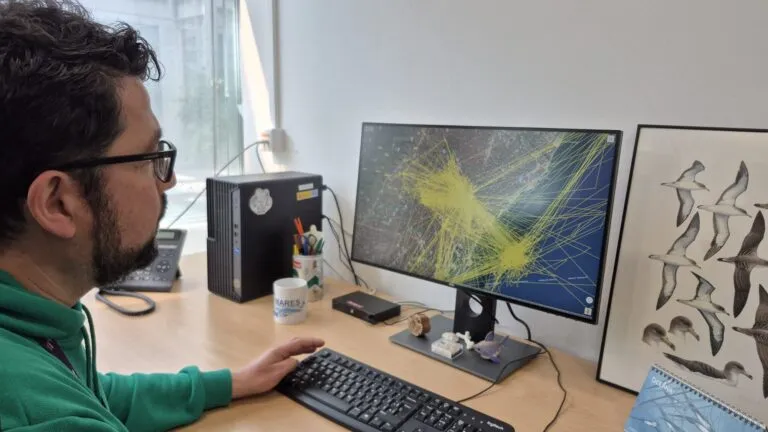
The Remarkable Adaptation of Gulls to Urban Life in Barcelona
In this interview, Dr. Joan Navarro the growing population of gulls in Barcelona and describes how these birds have developed increasingly bold behaviors to obtain food in the city. The conversation delves into recent observations of gulls acting like true “pickpockets,” snatching sandwiches and other snacks from unsuspecting passersby. It also highlights how the availability of resources in urban environments, such as open rubbish bins, outdoor dining areas, and human food waste, shapes and reinforces these opportunistic behaviors.
By offering ecological context and real examples, the interview provides valuable insight into how urban wildlife adapts to human-dominated spaces, helping us better understand the challenges and dynamics of coexistence between city inhabitants and local fauna.
📖 Read and listen the full interview on Betevé.
Content in Catalan
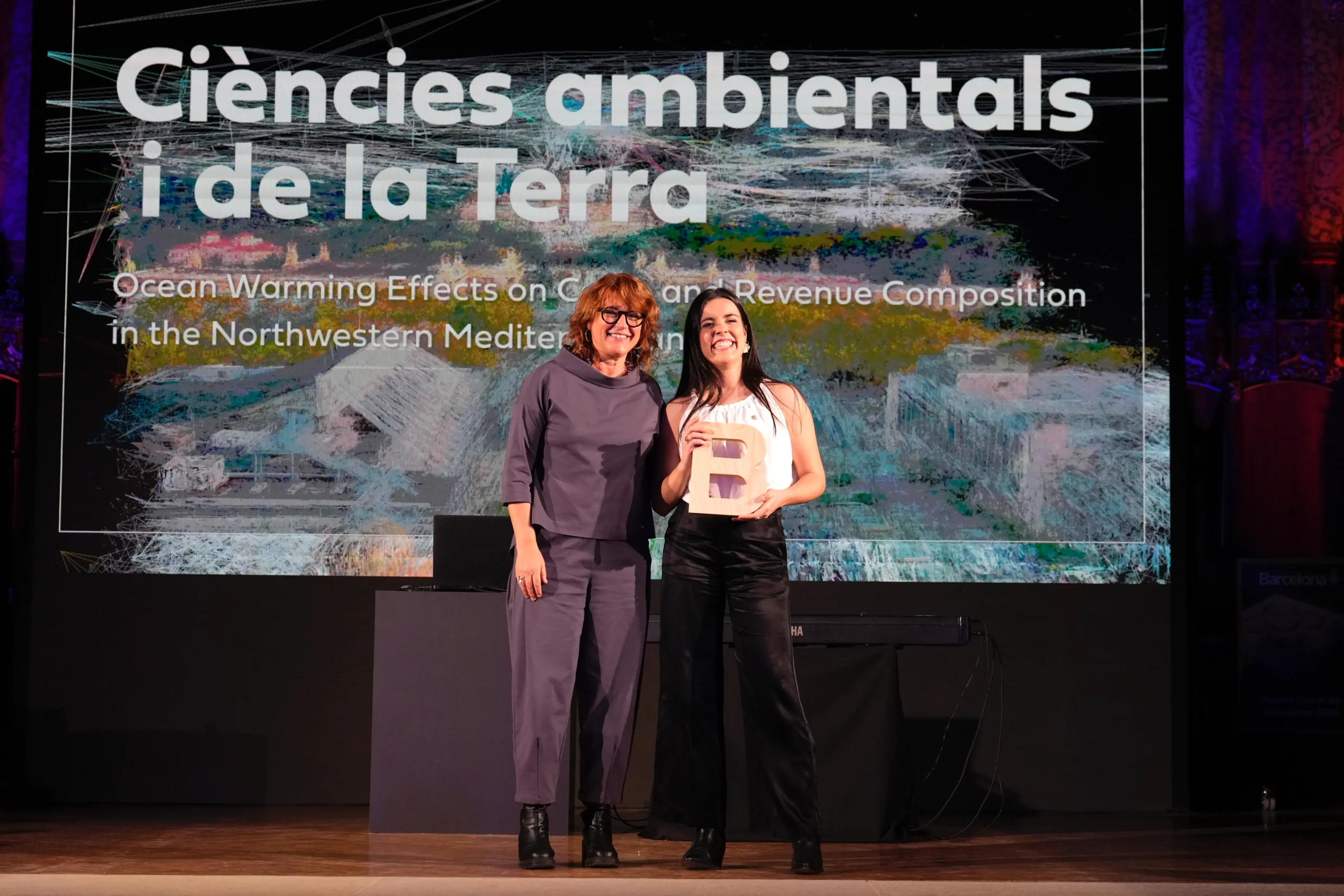
iMARES Wins Award for Groundbreaking Climate–Fisheries Study
This news highlights the key findings of the ICM‑CSIC study awarded for demonstrating how the warming of the Mediterranean is reshaping fisheries and their economic sustainability.
The research shows that rising sea temperatures are altering the composition of catches along the Catalan coast, with warm‑water species becoming increasingly dominant while traditional cold‑water species decline — a shift that is already affecting fishers’ incomes and the stability of the sector.
Grounded in ecological and economic data, the study provides clear evidence that climate change is not a distant threat but a current reality for Mediterranean fisheries, underscoring the need for adaptive management and informed policy action.
This podcast offers a concise and accessible overview of the research, designed to support outreach, education, and informed decision-making.
📖 Read the full article on Industrias Pesqueras.
Content in Spanish
Behind the Auctions: Understanding Fish Market Dynamics in Catalonia
What do fish auctions reveal about the health of our coastal economies and ecosystems?
In this episode, an AI-generated voice guides you through the key insights of a study on fish commercialization in Catalonia’s fish markets (2019–2024). Discover how ecological, environmental, and economic indicators come together to assess the socioecological risk of each auction site.
This podcast offers a concise and accessible overview of the research, designed to support outreach, education, and informed decision-making.
Video Podcast in Catalan
⚠️ AI-generated: may contain minor inaccuracies.

Thinking in systems: managing fisheries in a changing ocean
In this episode, Marta Coll, researcher at ICM-CSIC and leader of the iMARES group, discusses the importance of a systemic approach to studying and managing marine resources. Inspired by the work of Donella Meadows, the team uses ecological models to integrate environmental, social, and economic dimensions in fisheries research..
Don’t miss this episode featuring Marta Coll, who shares how systems thinking can help us better understand and protect ocean ecosystems.
Podcast in Spanish

Fish can tell the difference: diver or spearfisher?
Valerio Sbragaglia, researcher at ICM, leads the HumanFear project, which reveals that fish react differently to humans underwater depending on their gear. Fish flee farther when they encounter a spearfisher than a recreational diver.
Don’t miss this interview with researcher Valerio Sbragaglia, who shares key insights into fish behavior and human impact.
Article in Catalan.
A silent revolution in fish consumption in Catalonia
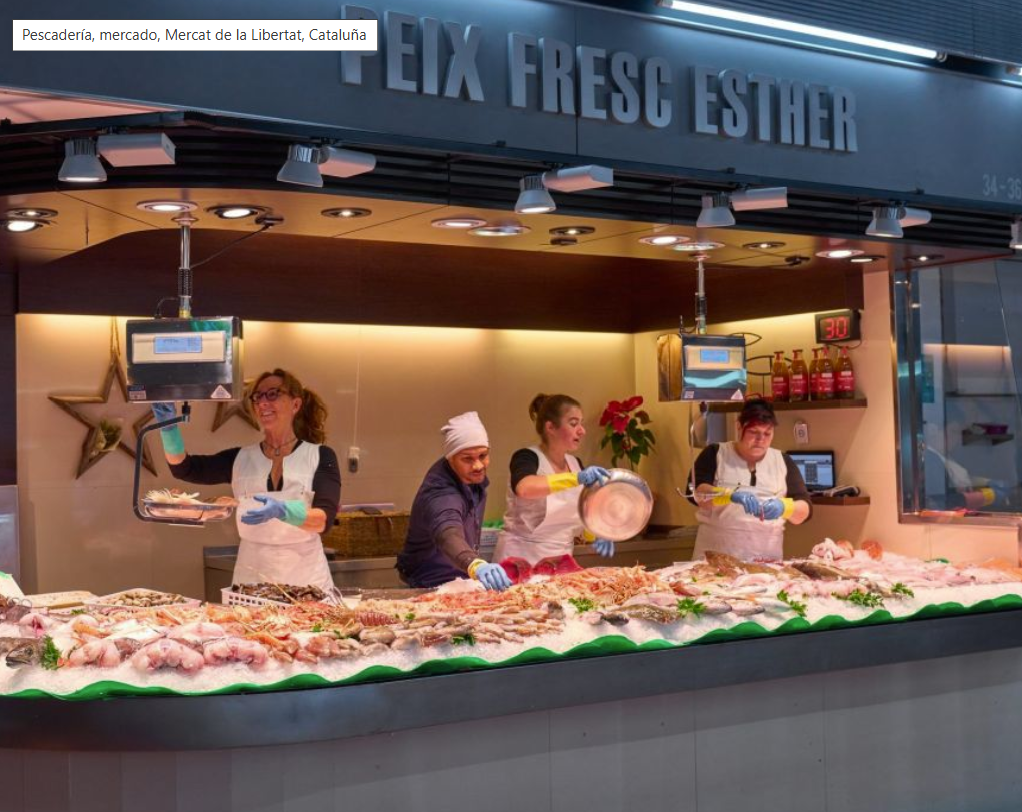
A new study led by Miquel Ortega (ICM-CSIC), in collaboration with the Gremi de Peixaters de Catalunya, reveals a 40% drop in fresh fish consumption over the past 15 years. The research highlights major shifts in species preferences, the rise of aquaculture, and the socioeconomic impacts across the seafood value chain.
Don’t miss this article featuring key findings from the study on changing seafood habits and their environmental implications. Article in Catalan.

How can the conservation status of sharks in the Mediterranean be improved?
Fran Ramírez: «All shark species in the Mediterranean are threatened.
Don’t miss this interesting interview with Fran Ramírez about the concerning situation of sharks in the Mediterranean! Discover why all species are threatened and what we can do to protect them. Interview in Catalan.

The Future of Fisheries: A Global Challenge
Examining the projected decline in fishery resources and its implications for marine ecosystems.
Don’t miss the interview with Marta Coll on «Españoles en la Mar»! In this conversation, Marta explains the findings of the new UN report on the concerning decline of fishery resources by the end of the century. If you’re interested in marine sustainability and the future of fishing, this interview will give you a clear and insightful perspective. Interview in Spanish.

A Salt Giant That Shaped History: The Mediterranean Mass Extinction
Unveiling the role of a massive salt deposit in one of the largest extinction events in the Mediterranean, millions of years ago.
A new study led by Konstantina Agiadi reveals how a gigantic salt layer formed during the Messinian Salinity Crisis may have triggered a significant extinction event in the Mediterranean. This groundbreaking research has been highlighted in a news article by National Geographic en Español, which emphasizes the drastic environmental changes that occurred millions of years ago and their catastrophic impact on marine and terrestrial life. For more details, you can find the full article on National Geographic.

Examining Threats to Marine Ecosystems in the Southern Hemisphere
Subtítulo paraExploring the conservation status of penguins as sentinel species and bioindicators of marine ecosystem health.
In the latest episode of Españoles en la Mar, Miriam Gimeno, a PhD student at the Institute of Marine Sciences and leader of a vital conservation study, discusses the significant threats facing marine ecosystems in the Southern Hemisphere. This project focuses on the conservation status of penguins, highlighting their role as sentinel species and bioindicators of the overall health of marine environments. Tune in to gain a deeper understanding of the challenges these ecosystems face and the importance of protecting them for future generations.